
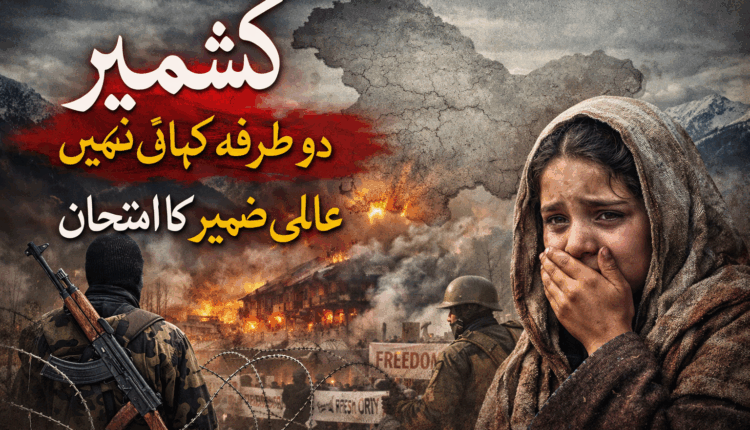

برطانیہ کشمیر کو دو طرفہ نہیں بلکہ بین الاقوامی تنازع تسلیم کرے، اقوامِ متحدہ کی قراردادوں کے مطابق حل کیا جائے
لندن: برطانیہ سے مطالبہ کیا گیا ہے کہ وہ مسئلۂ کشمیر کو محض پاکستان اور بھارت کے درمیان دو طرفہ تنازع قرار دینے کے بجائے ایک بین الاقوامی تنازع کے طور پر تسلیم کرے اور اس کے حل کے لیے اقوامِ متحدہ کی سلامتی کونسل کی قراردادوں پر عملدرآمد کی حمایت کرے۔
یہ مطالبہ انسانی حقوق کے عالمی دن کے موقع پر برطانوی پارلیمنٹ کے ویسٹ منسٹر ہال میں منعقدہ ایک خصوصی اجلاس کے دوران کیا گیا، جس کا موضوع حکومتِ برطانیہ کی جانب سے کشمیری عوام کے حقِ خودارادیت کی حمایت تھا۔ اجلاس میں مختلف سیاسی جماعتوں سے تعلق رکھنے والے تقریباً 25 اراکینِ پارلیمنٹ نے شرکت کی۔
اس خصوصی اجلاس کا اہتمام لیبر پارٹی کے رکنِ پارلیمنٹ عمران حسین نے کیا، جبکہ حکومت کی نمائندگی پارلیمنٹری انڈر سیکریٹری آف اسٹیٹ فار پاکستان، ہمیش فالکنر نے کی۔
اجلاس کے دوران اراکینِ پارلیمنٹ اور دیگر مقررین نے مقبوضہ جموں و کشمیر میں جاری انسانی حقوق کی سنگین خلاف ورزیوں، سیاسی آزادیوں پر پابندیوں اور طویل فوجی محاصرے پر گہری تشویش کا اظہار کیا۔ مقررین نے اس بات پر زور دیا کہ کشمیر کا مسئلہ اقوامِ متحدہ کے ایجنڈے پر ایک تسلیم شدہ تنازع ہے اور اسے دو طرفہ مسئلہ قرار دینا تاریخی حقائق اور بین الاقوامی قانون کے منافی ہے۔
شرکاء کی جانب سے اٹھائے گئے سوالات کے جواب میں ہمیش فالکنر نے کہا کہ مسئلۂ کشمیر جنوبی ایشیا کا ایک انتہائی حساس اور نازک مسئلہ ہے، جو دو ایٹمی طاقتوں کے درمیان ایک فلیش پوائنٹ کی حیثیت رکھتا ہے۔ ان کا کہنا تھا کہ پاکستان اور بھارت کو کشمیری عوام کی مرضی اور خواہشات کے مطابق اس تنازع کے حل کے لیے سنجیدہ کوششیں کرنی چاہئیں۔
انہوں نے مزید کہا کہ برطانوی حکومت خطے میں امن و استحکام کی حامی ہے اور انسانی حقوق کے احترام اور مکالمے کے ذریعے مسائل کے حل پر یقین رکھتی ہے۔
اجلاس کے اختتام پر اراکینِ پارلیمنٹ نے اس عزم کا اظہار کیا کہ مسئلہ کشمیر کو برطانوی پارلیمنٹ اور بین الاقوامی فورمز پر اجاگر کرنے، انسانی حقوق کی خلاف ورزیوں کے خلاف آواز بلند کرنے اور کشمیری عوام کے حقِ خودارادیت کی حمایت جاری رکھی جائے گی۔

Abrar Ahmed is not just a journalist — he is a chronicler of his time. A Kashmiri journalist, columnist, novelist, and author, he has spent his life wrestling with ideas, questioning power, and giving voice to the voiceless. Armed with a Master’s degree in International Law, he brings intellectual depth and moral clarity to every piece he writes. His education at the University of Azad Kashmir Muzaffarabad and Quaid-i-Azam University shaped his analytical mind, but it is his lived experience that sharpened his pen.
Abrar has been a tireless campaigner for human rights, equality, and justice, speaking out against oppressive systems of governance and entrenched corruption in many Asian countries. He has consistently raised his voice for the deprived and oppressed people of Kashmir, making their struggle for dignity and freedom heard on global platforms.
Today, he resides in Dublin, Ireland, where his perspective has widened, allowing him to view Kashmir’s pain and the world’s conflicts through a sharper, more global lens.
He is the founder of the Institute of Research for Conflict Resolution and Social Development, Ikhtilaf News Media and Publications, and the Daily Sutoon Newspaper — institutions built not just to inform, but to challenge, to provoke, to awaken. His humanitarian vision led to the creation of the Save Humanity Foundation, a reflection of his belief that words must lead to action.
His books are not mere collections of pages — they are manifestos of conscience:
Tehreek-e-Azadi ke Azeem Surkhaik — a tribute to those who gave everything for freedom.
Corruption ke Keerhay — a fearless dissection of the rot eating away at society.
Masla-e-Kashmir ka Hal: Aalmi Aman ka Rasta — a bold attempt to chart a path to peace.
Pakistan and Azad Kashmir Political System and New System Needed — a demand for reform, justice, and a future worthy of its people.
Through his textbooks Modern Community Development Ideas and Basic Journalism, Abrar has shaped generations, giving young minds the tools to see the world critically and act with purpose.
Born on March 19, 1982, Abrar Ahmed stands as a voice of resistance and renewal. His work is not just journalism — it is an ongoing struggle for truth, for peace, and for a just society. To read him is to confront the questions we are too often afraid to ask, and to believe, even in dark times, that words can still change the world.