
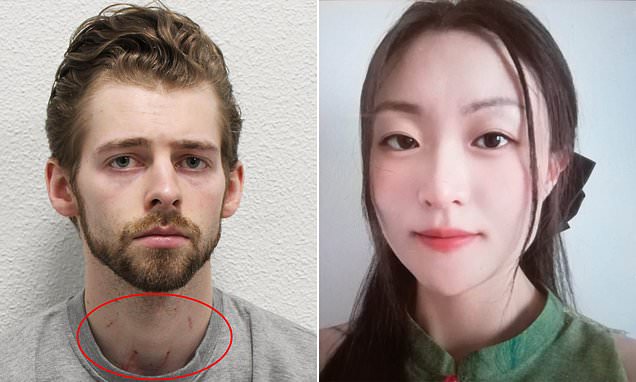

لندن : ایک یونیورسٹی طالبہ کو قتل کرنے کے الزام میں اس کے دوست کو اصل مجرم قرار دے دیا گیا، جیوری نے چند گھنٹے میں معمہ حل کردیا۔
31سالہ چینی طالبہ زے وانگ، جو گولڈ اسمتھس یونیورسٹی آف لندن کی طالبہ تھی، گزشتہ سال 20مارچ کو لیوشم کے مینرز پارک کے علاقے میں اپنے فلیٹ سے پراسرار اور مردہ حالت میں ملی تھی۔
پوسٹ مارٹم رپورٹ میں مقتولہ کے چہرے پر چاقو کے دو وار اور گلے پر دباؤ کے نشانات پائے گئے۔ مقدمے کی سماعت کے موقع پر عدالت کو بتایا گیا کہ 26 سالہ ملزم جوشوا مائیکلز جو امریکہ کے شہر شکاگو سے تعلق رکھتا ہے اور خود بھی اسی یونیورسٹی کا طالب علم ہے۔

غیر ملکی میڈیا رپورٹ کے مطابق اس نے مقتولہ پر الزام عائدکیا کہ زے وانگ نے پہلے اس پر چاقو سے حملہ کیا تھا، تاہم وکیل کے مطابق جواب میں مائیکلز شدید غصے میں آکر اسے قتل کر بیٹھا۔
مقدمے میں بتایا گیا کہ مقتولہ زے وانگ نے مائیکلز کے ساتھ دوستی کے بعد اس سے ایس ٹی آئی ٹیسٹ کا مطالبہ کیا تھا، عدالت کو بتایا گیا کہ ملزم کو کبھی ایس ٹی آئی لاحق ہی نہیں تھا۔
معزز جج صاحبان کو بتایا گیا کہ مائیکلز کو کبھی بھی کوئی جنسی بیماری تھی ہی نہیں، مقتولہ کو اس کی جلد پر ایک سرخ نقطہ نظر آیا تھا جس پر اس نے ملزم سے ایس ٹی ڈی ٹیسٹ کروانے کو کہا تھا۔
مائیکلز نے دعویٰ کیا کہ وہ دونوں گزشتہ ایک سال سے اچھے اور قریبی دوست تھے، وہ گزشتہ روز کھانے کی ٹرے لے کر اس کے گھر گیا تھا مگر فلیٹ پہنچنے کے کچھ ہی دیر بعد ہی مبینہ طور پر لڑکی نے غصے میں آکر اس پر چھری سے حملہ کردیا۔
ملزم جوشوا مائیکلز کا کہنا تھا کہ اس نے صرف اپنے بچاؤ اور اسے قابو کرنے کی کوشش کی تھی لیکن قتل کا ارادہ بالکل نہیں تھا۔
عدالت نے اسے بتایا کہ وہ اس وقت ہیلپ لائن سروس کو فون کرنے کے بجائے اپنے والد کو کال کرتا رہا اور زے وانگ کا فون چھپا کر کوڑے دان میں پھینک دیا جو بعد میں برآمد ہوا۔
بعد ازاں 16گھنٹے سے زائد تحقیق و تفتیش کے بعد جیوری نے مائیکلز کو لڑکی کے قتل کا مجرم قرار دے دیا تاہم اس کی سزا کا باقاعدہ اعلان بعد میں کیا جائے گا۔

Abrar Ahmed is not just a journalist — he is a chronicler of his time. A Kashmiri journalist, columnist, novelist, and author, he has spent his life wrestling with ideas, questioning power, and giving voice to the voiceless. Armed with a Master’s degree in International Law, he brings intellectual depth and moral clarity to every piece he writes. His education at the University of Azad Kashmir Muzaffarabad and Quaid-i-Azam University shaped his analytical mind, but it is his lived experience that sharpened his pen.
Abrar has been a tireless campaigner for human rights, equality, and justice, speaking out against oppressive systems of governance and entrenched corruption in many Asian countries. He has consistently raised his voice for the deprived and oppressed people of Kashmir, making their struggle for dignity and freedom heard on global platforms.
Today, he resides in Dublin, Ireland, where his perspective has widened, allowing him to view Kashmir’s pain and the world’s conflicts through a sharper, more global lens.
He is the founder of the Institute of Research for Conflict Resolution and Social Development, Ikhtilaf News Media and Publications, and the Daily Sutoon Newspaper — institutions built not just to inform, but to challenge, to provoke, to awaken. His humanitarian vision led to the creation of the Save Humanity Foundation, a reflection of his belief that words must lead to action.
His books are not mere collections of pages — they are manifestos of conscience:
Tehreek-e-Azadi ke Azeem Surkhaik — a tribute to those who gave everything for freedom.
Corruption ke Keerhay — a fearless dissection of the rot eating away at society.
Masla-e-Kashmir ka Hal: Aalmi Aman ka Rasta — a bold attempt to chart a path to peace.
Pakistan and Azad Kashmir Political System and New System Needed — a demand for reform, justice, and a future worthy of its people.
Through his textbooks Modern Community Development Ideas and Basic Journalism, Abrar has shaped generations, giving young minds the tools to see the world critically and act with purpose.
Born on March 19, 1982, Abrar Ahmed stands as a voice of resistance and renewal. His work is not just journalism — it is an ongoing struggle for truth, for peace, and for a just society. To read him is to confront the questions we are too often afraid to ask, and to believe, even in dark times, that words can still change the world.